
ServicesConventional Loans
Conventional Loans in Leander
A conventional loan is the most common way to buy or refinance, and it comes in more versions than most people expect. We walk you through each choice, from down payment to loan term, and show what every one does to your monthly payment.
What a conventional loan is, and who it suits
A conventional loan is a home loan that isn't backed by a government agency like the FHA, VA or USDA. Most follow guidelines set by Fannie Mae and Freddie Mac, which means steady rules on credit, income and down payment. In exchange, borrowers with solid credit often get a competitive rate and mortgage insurance that doesn't last forever.
It works for a first purchase, a move-up purchase, a second home or a rental property, and it's a common choice for a refinance. The trade-off is that credit and debt standards are firmer than on an FHA loan, so it isn't always the right fit. If it isn't, we'll say so plainly and look at FHA Loans or VA Loans instead.
We've spent 11 years in the mortgage industry and have held our NMLS license for the last 10 of them. Over that stretch we've learned that most borrowers don't want a sales pitch. They want the options laid out next to each other, with real numbers attached.
The choices we explain before you commit
- Down payment levels
- First-time buyers who qualify can sometimes put down just 3 percent through certain conventional programs, and 5, 10 and 20 percent are common too. We show how each level changes your payment, your mortgage insurance and the cash you need at closing.
- Private mortgage insurance
- Put down less than 20 percent and you'll usually pay PMI. Unlike FHA insurance, it can be removed once you reach enough equity, and we explain exactly when and how that happens.
- Fixed or adjustable rate
- A 30-year fixed keeps the payment steady for the life of the loan. A 15-year fixed costs more each month but far less in total interest. An adjustable rate can start lower, and we walk through when it resets and how high it can go.
- Points and rate trade-offs
- You can pay points at closing to lower your rate, or take a slightly higher rate with lower upfront costs. We show the break-even point so you can decide based on how long you plan to keep the loan.
- Escrow and the real monthly payment
- Property taxes and hazard insurance usually go into escrow, and they can make up a large share of the payment. Many newer subdivisions around Leander also carry MUD taxes, so we build those into the numbers from the start.
When conventional financing tends to fit
Steady credit history
Most conventional programs want a score of at least 620, and pricing improves noticeably as scores climb. If your credit has been consistent, this loan tends to reward it.
You've saved 5 percent or more
With a moderate down payment, conventional PMI is often cheaper than FHA mortgage insurance, and it doesn't stay for the life of the loan.
You're buying a second home or rental
FHA and VA loans are meant for the place you live. A conventional loan can finance a vacation property or an investment property as well.
You have an FHA loan and more equity now
If your value has climbed or your balance has dropped, a conventional refinance may let you drop FHA mortgage insurance for good.
You want room to adjust later
Being able to cancel PMI, choose your term and pick a fixed or adjustable rate gives you more ways to shape the loan around your plans.
What shapes your rate and closing costs
No two conventional loans are priced the same, because the rate depends on the borrower and the property. We explain each factor so you can see which ones you can change. Your written Loan Estimate lists every fee line by line.
Credit score
Higher scores usually earn a lower rate and cheaper PMI. Even a small score improvement before you apply can make a real difference.
Down payment and loan-to-value
The more you put down, the less risk the lender carries. Reaching 20 percent removes PMI entirely.
Loan term and rate type
A 15-year loan usually carries a lower rate than a 30-year, and adjustable rates often start below fixed ones.
Occupancy and property type
A primary residence prices better than a second home or rental, and condos can carry their own adjustments.
Points and lock length
Paying points lowers the rate. A longer rate lock, often needed for new construction, can cost a little more.
The steps of a conventional loan, start to finish
- 1
A conversation about your numbers
By phone, on video or at our office, we go over what you earn, what you owe, what you've saved and what you're hoping to buy or refinance. By the end you'll have a realistic price range and know which conventional programs are worth a closer look.
- 2
Documents and your pre-approval letter
Then we collect recent pay stubs and W-2s, or tax returns if you work for yourself, plus bank statements and permission to pull credit. Once everything checks out, you get a pre-approval letter to include with your offers.
- 3
Locking the rate and ordering the appraisal
After your offer is accepted, we help you pick the right moment to lock your rate. An appraisal is ordered to confirm the property is worth enough to support the loan.
- 4
Underwriter review
The underwriter goes through each document and sometimes asks for an updated statement or a short letter explaining something. We let you know what they want and the reason behind it, so your file keeps moving.
- 5
Signing at the title company
Texas closings typically take place at a title company. Before that day, we go through your Closing Disclosure with you line by line so the final figures match what you expected.

Answers to common conventional loan questions
Do I have to put 20 percent down?
No. Plenty of borrowers put down somewhere between 3 and 10 percent. Below 20 percent you'll usually carry PMI, but it isn't permanent. We can price the loan at a few down payment levels so you see the payment for each one.
How do I get rid of PMI?
When your balance reaches 80 percent of the original value and your payment history is clean, you can ask your servicer to cancel it. If you don't ask, it ends automatically at 78 percent. Some lenders will also look at a new appraisal if the property's value has gone up.
Should I choose conventional or FHA?
Your credit score and down payment usually decide it. Borrowers with strong credit often pay less over the life of a conventional loan, since PMI can come off. If your score is lower or your credit file is short, FHA can be the cheaper route, so we price both and put them next to each other.
Will a conventional loan work for a rental property?
It will. Plan on a bigger down payment and a slightly higher rate than you'd see on a primary residence. Expected rent from the property can sometimes count toward qualifying.
Am I obligated to anything after the pre-qualification?
Not at all. It's simply a look at your numbers and the loans that match them. Whether you go on to a full application is up to you.
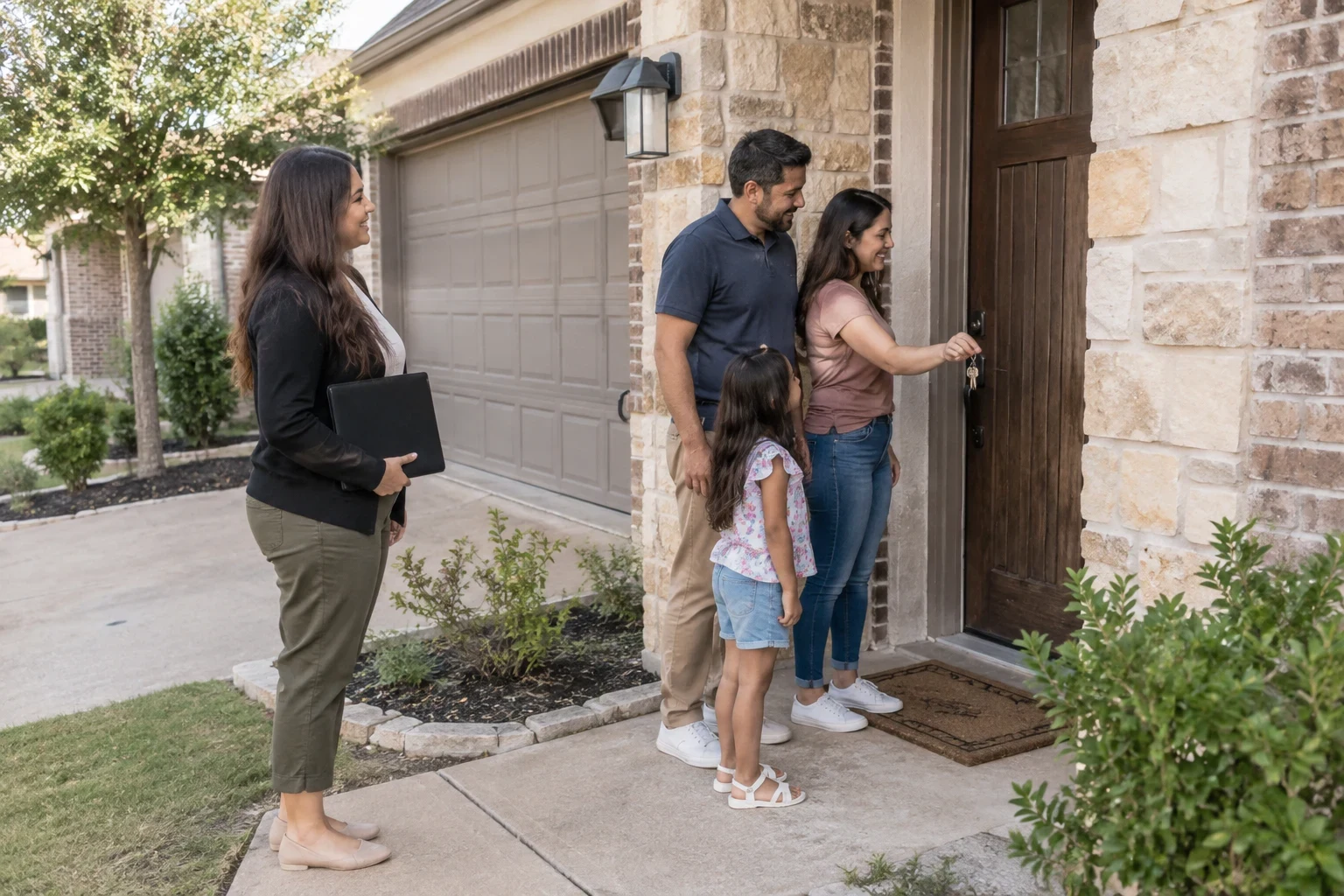
Compare conventional loan choices side by side
Tell us your goals and your savings, and we'll lay out the down payment, term and rate choices that fit. You'll know where you stand before you start making offers.