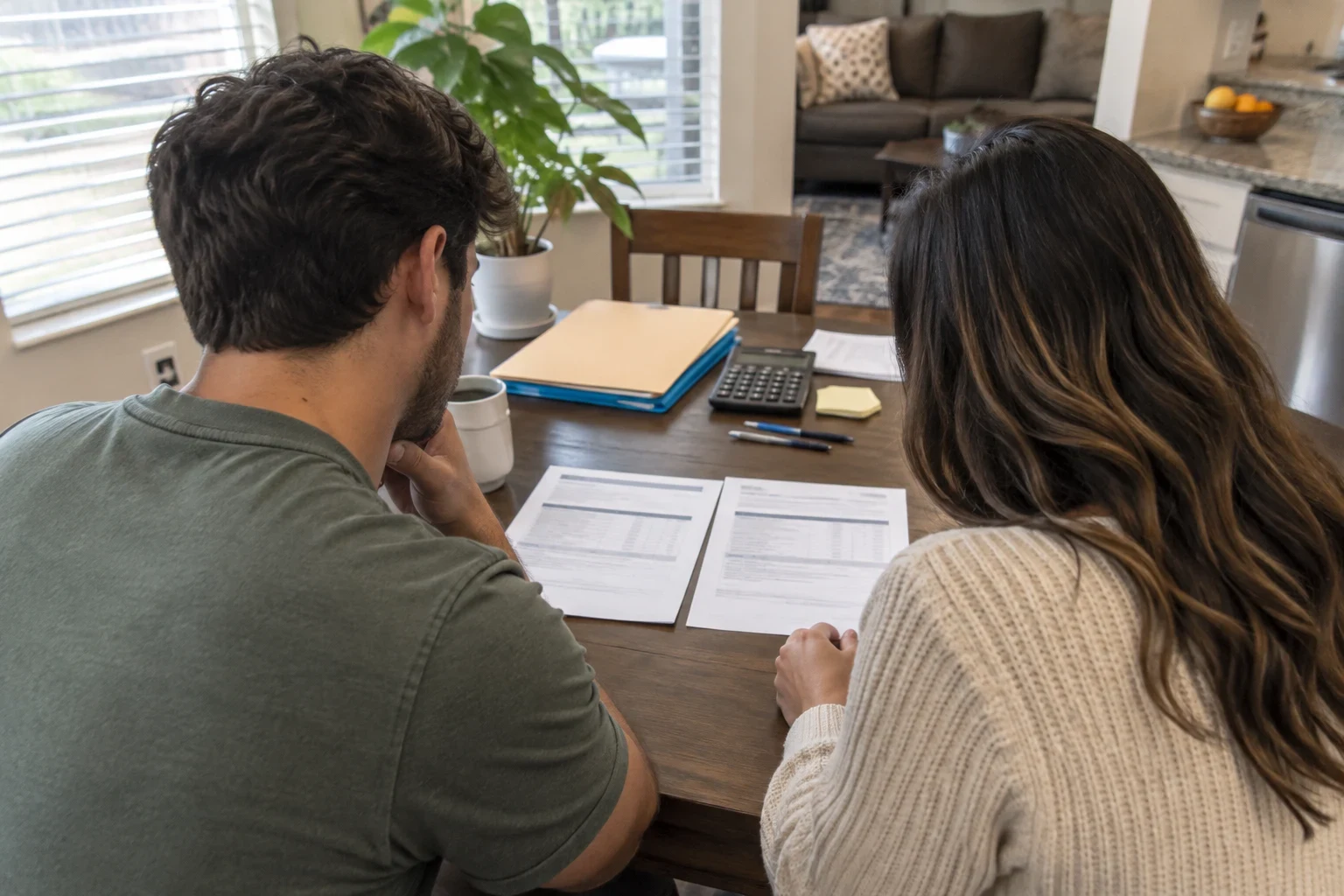
Which Is Better in Leander, an FHA Loan or a Conventional Loan?
Both loans can get you the keys. The real question is which one costs you less and fits the money you have today.
Which is better, an FHA or a conventional loan?
Neither is better for everyone. A conventional loan usually costs less if your credit is strong and you can put down 5 percent or more, because its mortgage insurance can come off. An FHA loan is often the better fit if your score is lower, your debts are higher or your savings are thin. We can price both for you at (512) 456-9507.
How are FHA and conventional loans built differently?
Think of them as two different materials for the same job. An FHA loan is backed by the Federal Housing Administration, which protects the lender if a borrower falls behind, so lenders can accept more risk on the borrower. A conventional loan has no government backing and follows the guidelines set by Fannie Mae and Freddie Mac, which reward strong credit and a solid down payment.
That one difference shapes almost everything else: who can qualify, how mortgage insurance works and even which houses the loan can be used on. Here is the short version side by side.
- Down payment: FHA can go as low as 3.5 percent with a qualifying score. Some conventional programs allow 3 percent for eligible buyers, and 5 percent is common.
- Credit: FHA is more forgiving of lower scores and past credit trouble. Conventional pricing improves noticeably as your score climbs.
- Debt-to-income: FHA often allows a higher ratio of monthly debts to income than conventional does.
- Mortgage insurance: conventional coverage can be removed later. FHA coverage often stays for the life of the loan.
- Property standards: FHA appraisals check the condition of the house more closely.
Which one costs less once mortgage insurance is added?
This is where most of the long-term difference lives. With less than 20 percent down, a conventional loan carries private mortgage insurance. You can ask to cancel it once you reach 20 percent equity, and it ends automatically at 22 percent based on the original value and your payment schedule.
FHA loans charge an upfront mortgage insurance premium, usually rolled into the loan, plus a monthly premium. If you put down less than 10 percent, that monthly premium stays as long as you keep the loan. With 10 percent or more down, it ends after 11 years.
So a borrower with good credit who plans to stay put for years will often pay less with conventional. A borrower with a lower score may find the FHA payment lower at first, because conventional mortgage insurance gets expensive as credit scores drop. We look at both the monthly payment and the total cost over the years you expect to keep the loan, not just one number.
What do your credit score and debts change?
Your score moves the price of a conventional loan more than an FHA loan. Two buyers with the same income and down payment can see very different conventional rates and insurance costs if one has a score in the 640s and the other is in the high 700s. On FHA, that gap is usually smaller.
Debts matter too. If a car payment, student loans or a card balance push your debt-to-income ratio up, FHA may approve you where conventional will not. On the other hand, if you have recently paid down balances and your score jumped, conventional might now be within reach. It is worth checking both before you assume either one is out.
Can the house itself tip the choice?
Yes. FHA appraisers check the property against minimum standards for safety and soundness. Things like peeling paint on an older house, a roof near the end of its life, missing handrails or a problem with the water supply can need fixing before closing. A conventional appraisal focuses mainly on value, so it tends to be less strict about condition.
Plenty of what is for sale around Leander and Cedar Park is newer construction, which usually clears FHA condition checks without much trouble. An older place, a house on acreage with a well or septic system, or a condo all deserve a closer look. Condos need to be on an FHA-approved list for an FHA loan, and that is easy for us to check early.
Some sellers in competitive spots also prefer conventional offers because they expect fewer appraisal surprises. A strong pre-approval letter and a clear explanation from your loan officer to the listing agent can ease that worry for an FHA buyer.
How do we help you decide?
We run your numbers both ways. You see the down payment, monthly payment, mortgage insurance and estimated cash to close for each loan next to each other, so the trade-offs are plain instead of buried in fine print.
Then we talk through your plans. How long you expect to stay, whether a raise or a paid-off debt is coming, and how much savings you want left after closing all change the answer. If you are a veteran, we will also compare a VA loan, and buyers looking at eligible areas farther from town may want to see a USDA loan alongside the other two.
- Start with a pre-qualification call so we can see where you stand.
- Review the side-by-side comparison with your loan officer.
- Choose the loan, get your pre-approval letter and start shopping with confidence.
More questions about FHA and conventional loans
Something not covered here? (512) 456-9507
Can I start with FHA and switch to conventional later?
Yes. Many borrowers refinance into a conventional loan once they have about 20 percent equity, which removes the FHA mortgage insurance. Whether it makes sense depends on rates and closing costs at that time.
Is an FHA loan only for first-time buyers?
No. Repeat buyers can use FHA too, as long as the house will be their primary residence. It is not meant for investment property.
Can family help with my down payment?
Both loan types allow gift funds from family when they are documented with a gift letter and a clear paper trail. We will tell you exactly what paperwork is needed so it does not slow your closing.
Does FHA always have a higher rate?
Not always. FHA rates are often close to or below conventional rates, but the mortgage insurance adds cost. Comparing the full monthly payment and the APR gives a fairer picture than the rate alone.
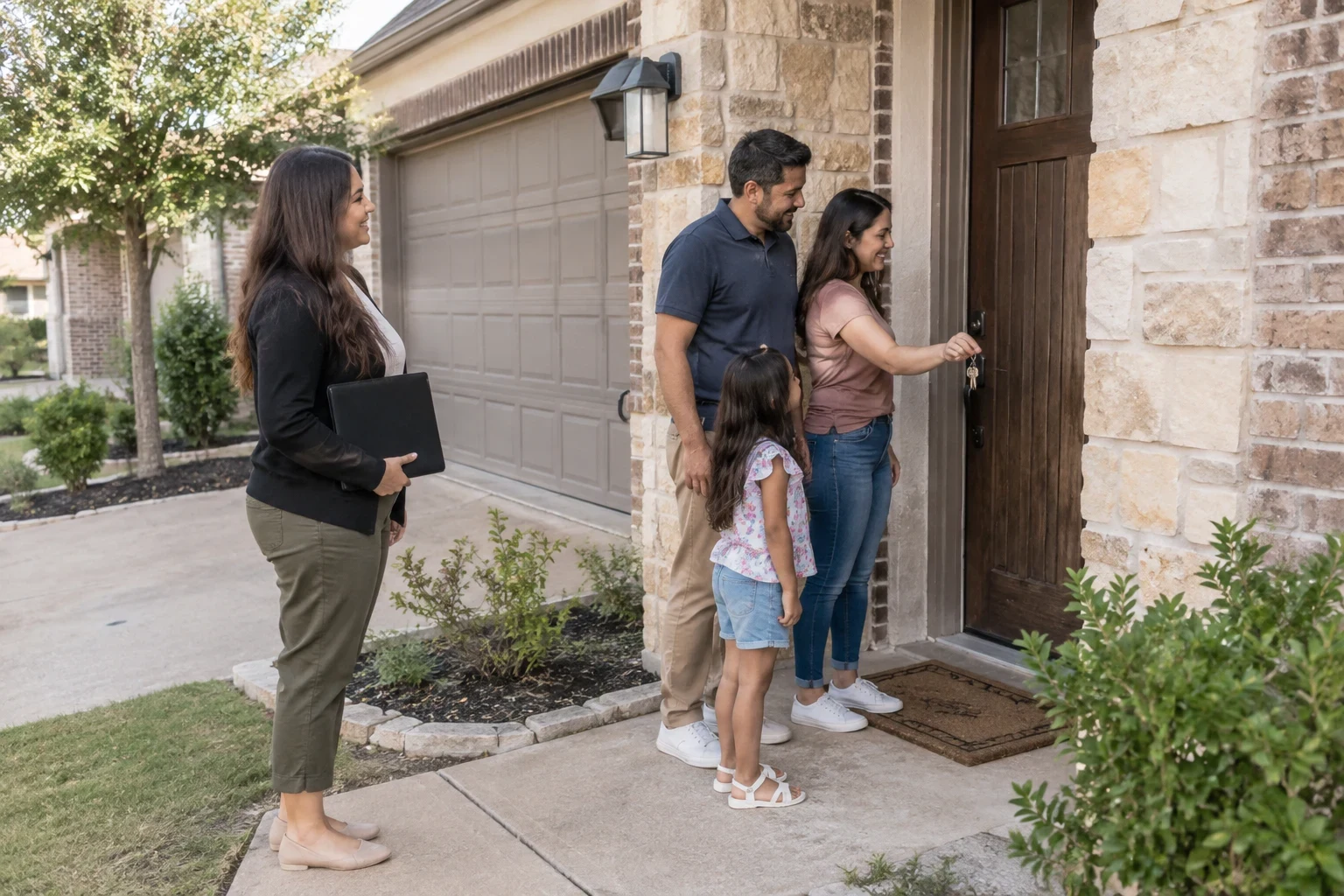
See both loans priced for your situation
A short call is all it takes to start your pre-qualification. We will look at your credit, income and savings, then show you how an FHA and a conventional loan compare so you can pick with clear numbers. If you are ready, we can also start a loan application or give you rate quotes on the same call.